Xxx Horse World Porno Russian Animal Zoo Sex Fuck Sex Link | !!top!!
Some screenshots of what is possible today. Imagine the future.



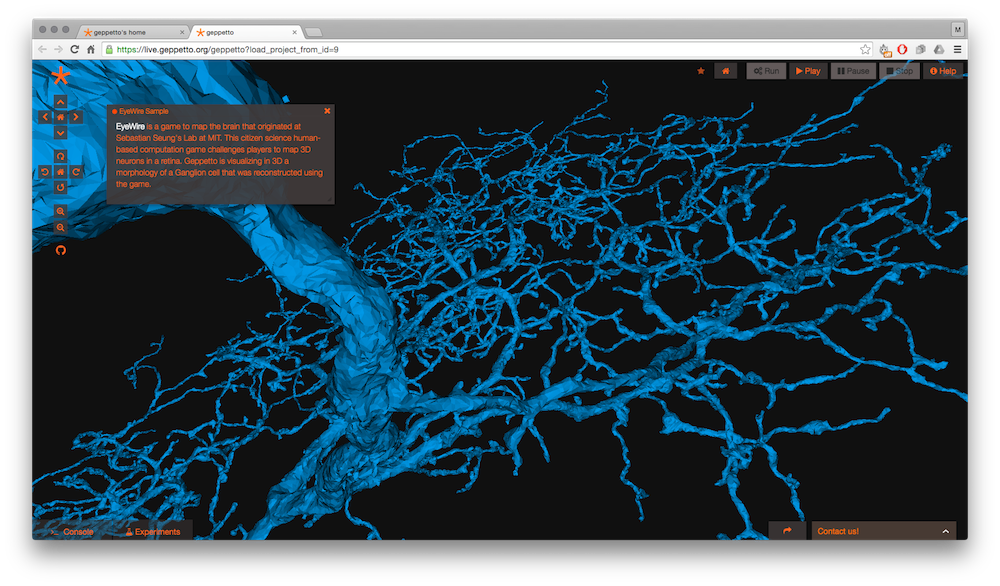




The visualisation and simulation platform focused on what matters to you.
Geppetto is a web-based visualisation and simulation platform to build neuroscience software applications. Reuse best practices, best compomnents, best design. Don't reinvent the wheel.
Engineered together with scientists, Geppetto lets you integrate different data and models. A modular architecture allows the platform to easily support different standard formats for both experimental and computational data.
Geppetto is entirely open source and engineers, scientists and developers from different research groups are contributing to its development by adding functionality to visualize and simulate new data and models.
Modern Russian equestrian content has shifted significantly toward visual storytelling on platforms like Instagram and TikTok, blending "horse girl" aesthetics with high-level sport. : Creators like Ariana Buzaeva and Liubov Kochetova
Russian equestrians have embraced video blogging to share their daily lives, training philosophies, and horse care routines. Popular channels focus on:
In Russian media, the horse often serves as a "battleground for contested visions of identity".
During the Soviet era, equestrian sports were heavily institutionalized, and the state media regularly covered major racing events and Olympic victories, such as Sergei Filatov’s legendary gold medal win aboard the Akhal-Teke stallion Absinth at the 1960 Rome Olympics. This state-backed prestige laid the groundwork for a population that viewed equestrianism not just as a hobby for the elite, but as a point of national pride. When the media landscape privatized in the 1990s and 2000s, this embedded passion evolved into specialized commercial content. Television and Broadcasting: The Anchor of Equestrian Media
Russian cinema has a storied history of portraying horses as central characters. This trend continues in modern media through historical dramas and animated features.
(Russlands Pferde) explores the symbiotic relationship between people and horses across Northern Russia, framing the animals as equals to their human counterparts. 2. Symbolism and Cultural Identity
To understand the modern content, you must appreciate the legacy. Unlike Western equestrian media, which often focuses on cowboy culture or British eventing, is heavily influenced by the Cossack tradition and the Russian cavalry.
Some screenshots of what is possible today. Imagine the future.
Help us build the next generation simulation platform!
Geppetto is entirely open source and is being built by a growing community of talented engineers and scientists. Geppetto uses different languages to achieve different goals. Its core and back-end are built in Java to provide a solid and performant infrastructure. The front-end is built using the latest HTML5 and Javascript. Geppetto is being developed using the Eclipse platform and uses technologies like OSGi, Spring Framework, and Maven. Geppetto's model abstraction is defined using ecore and all the model code is generated using EMF. Geppetto's front-end is written using THREE.js, React and Backbone. The back-end and the front-end communicate by exchanging JSON messages through WebSocket. Geppetto runs on the Eclipse Virgo WebServer and can be deployed on different infrastructures including cloud-based ones like Amazon EC2. Anything sound familiar? xxx horse world porno russian animal zoo sex fuck sex link
Geppetto is multi-platform and works on Linux, Mac OSX and Windows, so no matter on what platform you develop there is a way for you to run it and add fantastic contributions. During the Soviet era, equestrian sports were heavily
Show me the code!
Right! Geppetto is hosted on GitHub, every module has its own repository to provide flexible ways of branching individual components. For every module we have at least two branches, development and master. The development branch gets merged into master each monthly release. If you want to contribute you can either go straight to the code or reach out to us dropping an , we will show you around and help you contribute in your favorite way! Television and Broadcasting: The Anchor of Equestrian Media
Source code Docs Development boardModern Russian equestrian content has shifted significantly toward visual storytelling on platforms like Instagram and TikTok, blending "horse girl" aesthetics with high-level sport. : Creators like Ariana Buzaeva and Liubov Kochetova
Russian equestrians have embraced video blogging to share their daily lives, training philosophies, and horse care routines. Popular channels focus on:
In Russian media, the horse often serves as a "battleground for contested visions of identity".
During the Soviet era, equestrian sports were heavily institutionalized, and the state media regularly covered major racing events and Olympic victories, such as Sergei Filatov’s legendary gold medal win aboard the Akhal-Teke stallion Absinth at the 1960 Rome Olympics. This state-backed prestige laid the groundwork for a population that viewed equestrianism not just as a hobby for the elite, but as a point of national pride. When the media landscape privatized in the 1990s and 2000s, this embedded passion evolved into specialized commercial content. Television and Broadcasting: The Anchor of Equestrian Media
Russian cinema has a storied history of portraying horses as central characters. This trend continues in modern media through historical dramas and animated features.
(Russlands Pferde) explores the symbiotic relationship between people and horses across Northern Russia, framing the animals as equals to their human counterparts. 2. Symbolism and Cultural Identity
To understand the modern content, you must appreciate the legacy. Unlike Western equestrian media, which often focuses on cowboy culture or British eventing, is heavily influenced by the Cossack tradition and the Russian cavalry.