

MRE 220 SE
Unerschütterlich und doch flexibel
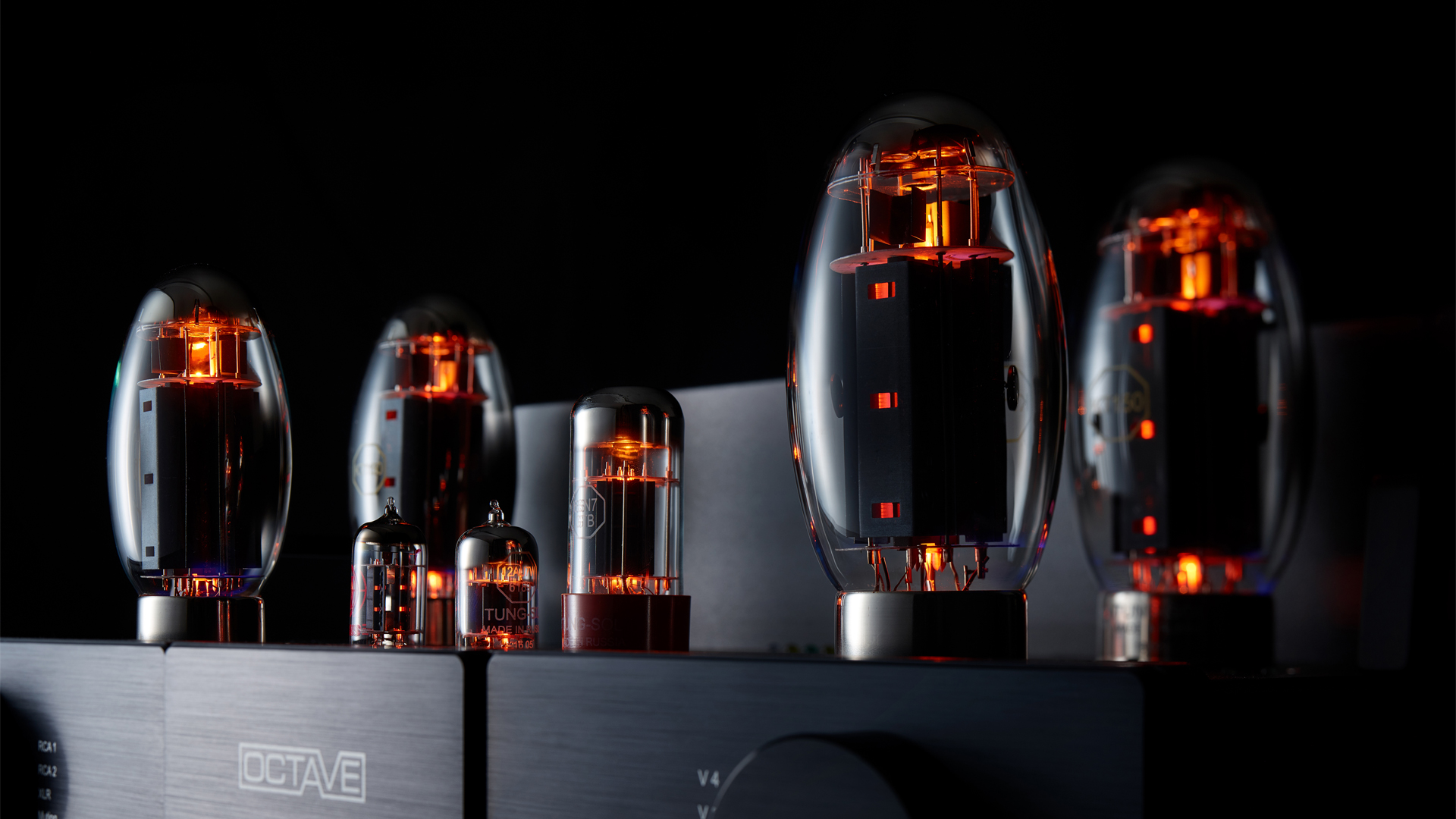
Unerschütterlich und doch flexibel
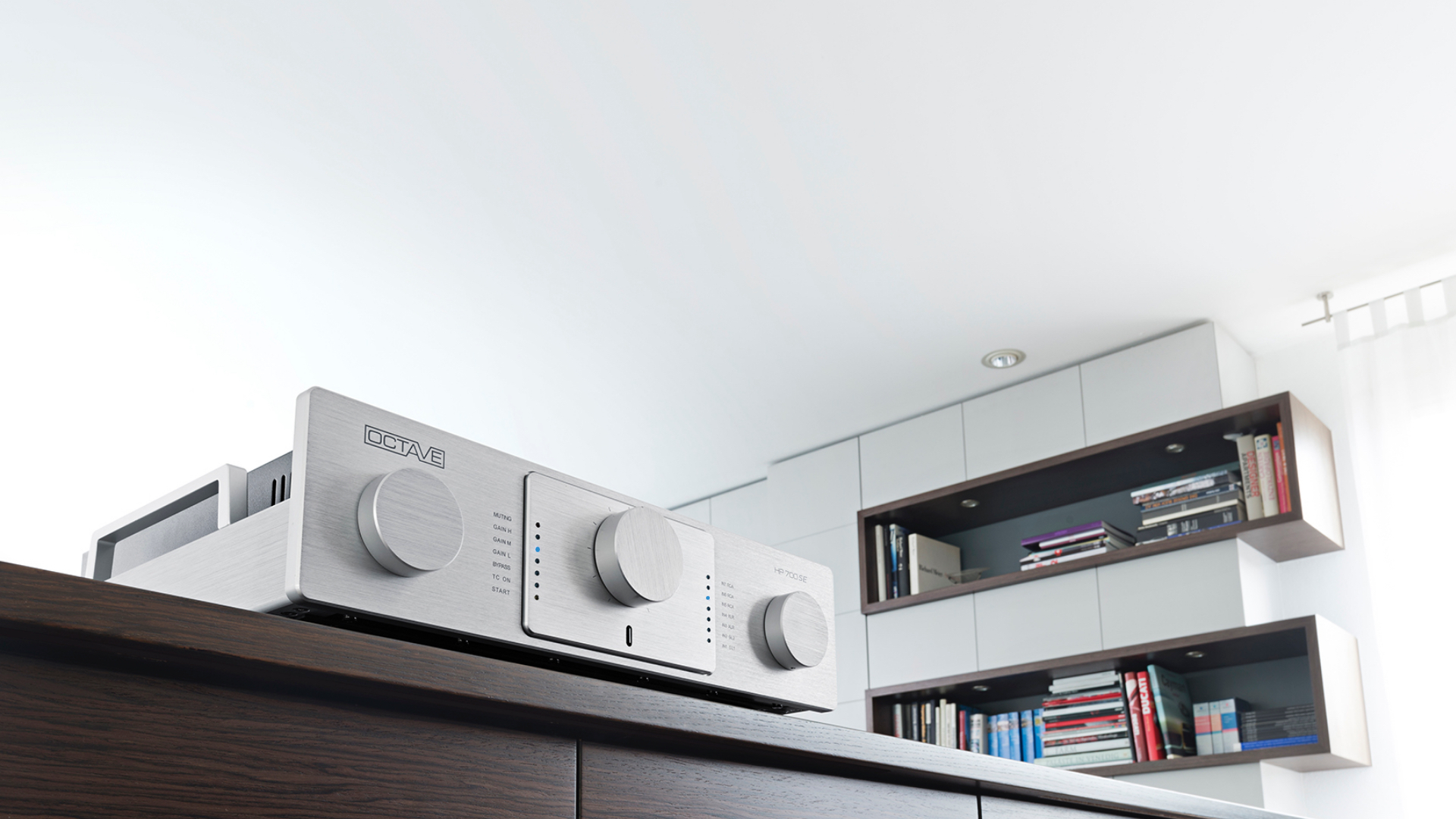

Der neue HP 700 SE ist ein Röhrenvorverstärker, der sowohl mit neuartiger Präzisionstechnologie aufwartet als auch mit klanglichen Verfeinerungen der Ausgangsstufe. vst plugin auto-tune-81 -vst3-
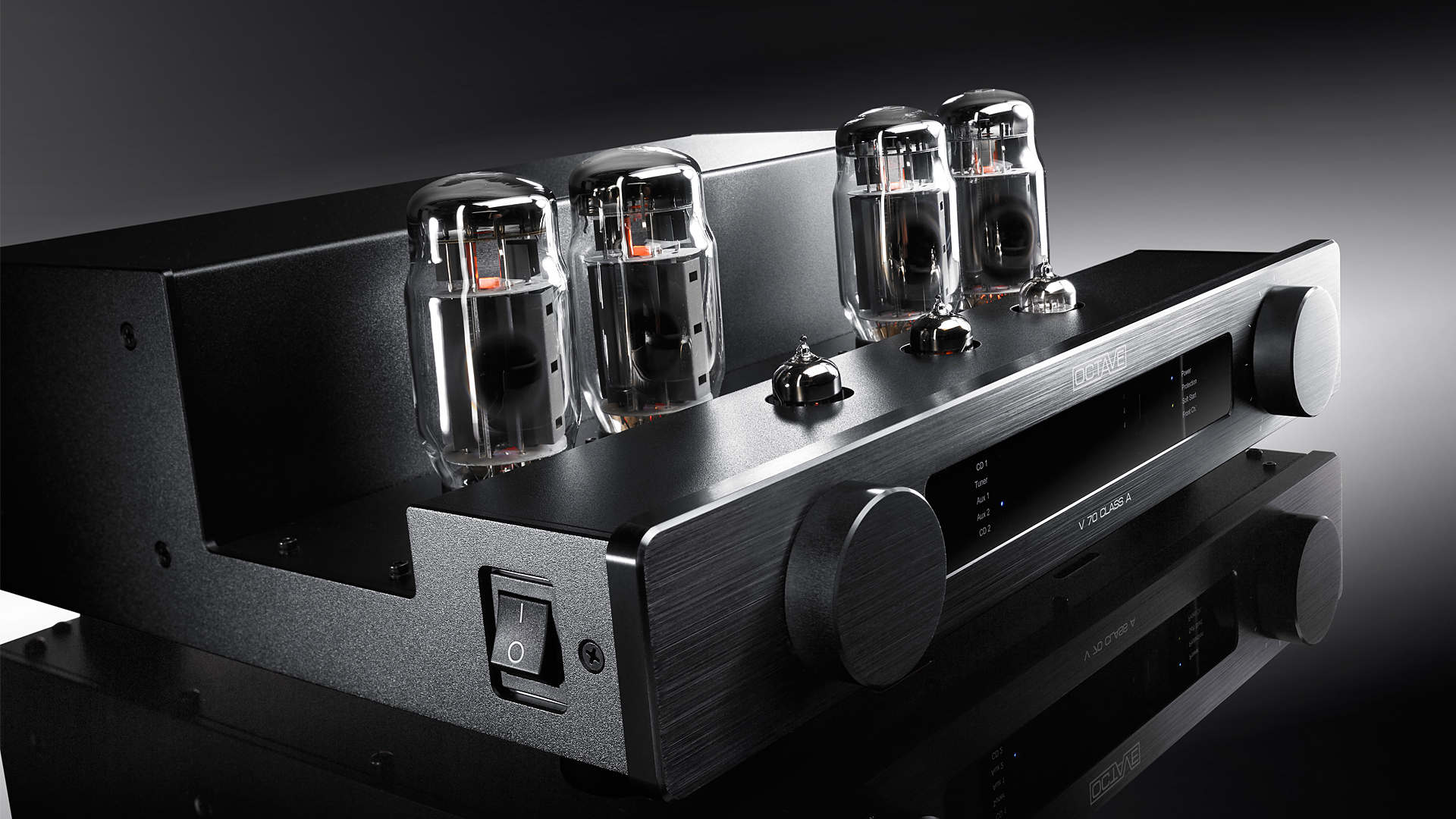
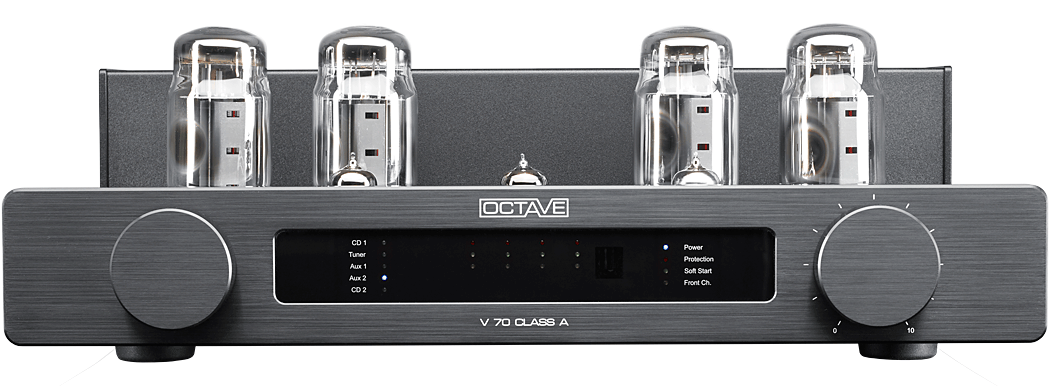
Erstmals ist ein Class-A-Verstärker eine klare Empfehlung für alle Musikrichtungen und ganz normale Lautsprecher. The answer lies in a combination of
The answer lies in a combination of . Auto-Tune 8.1 offers a professional-grade feature set—including Flex-Tune and ultra-low latency modes—that remains highly capable for virtually any pitch-correction task. By distributing this power through the VST3 format , users gain the significant benefits of dynamic CPU usage, sample-accurate automation, and superior MIDI integration, ensuring their modern DAW systems run smoothly and efficiently.
: Features a 4-part harmony player and ARA2 support for faster workflows in Logic, Studio One, and Cubase.
The “auto‑tune‑81” search points to Antares Auto‑Tune 8.1, a capable pitch‑correction plugin from the mid‑2010s. It remains popular because it offers the core Auto‑Tune experience (Auto Mode, Graph Mode, Flex‑Tune) in a package that is less resource‑heavy than modern versions.
“I heard them. The new owners. They want the FastTune XT. It has no soul. It just snaps everything to C Major like a prison bar.”
Here is a step-by-step workflow for mixing a vocal track using this plugin:
He walked out of the VoxCraft building for the last time. The new owners would never find the ghost. They’d install their sterile FastTune XT and tell the world it was progress.
Flex-Tune only applies correction when the singer's notes approach the scale tones, preserving the natural expressive gestures and "soul" of the original performance. Low Latency:
The 8.1 interface was designed to be intuitive for both beginners (using Auto Mode) and professionals requiring deep editing (Graph Mode). Why Choose the VST3 Version?
Ultimately, the best pitch correction plugin is the one that best fits your workflow, budget, and creative needs—and understanding the journey from version 8.1 to today's advanced tools is a critical step in finding that perfect fit.
But what exactly is this tool? Is it a vintage emulation? A hidden gem in a developer’s catalog? Or a specific configuration of a standard auto-tune utility? In this deep-dive article, we will dissect every aspect of the , exploring its technical architecture, its workflow integration, and how it compares to industry titans like Antares Auto-Tune and Celemony Melodyne.
: Optimized for live performance or tracking without distracting delay.
The intuitive interface makes it easy to navigate and adjust parameters on the fly:
The answer lies in a combination of . Auto-Tune 8.1 offers a professional-grade feature set—including Flex-Tune and ultra-low latency modes—that remains highly capable for virtually any pitch-correction task. By distributing this power through the VST3 format , users gain the significant benefits of dynamic CPU usage, sample-accurate automation, and superior MIDI integration, ensuring their modern DAW systems run smoothly and efficiently.
: Features a 4-part harmony player and ARA2 support for faster workflows in Logic, Studio One, and Cubase.
The “auto‑tune‑81” search points to Antares Auto‑Tune 8.1, a capable pitch‑correction plugin from the mid‑2010s. It remains popular because it offers the core Auto‑Tune experience (Auto Mode, Graph Mode, Flex‑Tune) in a package that is less resource‑heavy than modern versions.
“I heard them. The new owners. They want the FastTune XT. It has no soul. It just snaps everything to C Major like a prison bar.”
Here is a step-by-step workflow for mixing a vocal track using this plugin:
He walked out of the VoxCraft building for the last time. The new owners would never find the ghost. They’d install their sterile FastTune XT and tell the world it was progress.
Flex-Tune only applies correction when the singer's notes approach the scale tones, preserving the natural expressive gestures and "soul" of the original performance. Low Latency:
The 8.1 interface was designed to be intuitive for both beginners (using Auto Mode) and professionals requiring deep editing (Graph Mode). Why Choose the VST3 Version?
Ultimately, the best pitch correction plugin is the one that best fits your workflow, budget, and creative needs—and understanding the journey from version 8.1 to today's advanced tools is a critical step in finding that perfect fit.
But what exactly is this tool? Is it a vintage emulation? A hidden gem in a developer’s catalog? Or a specific configuration of a standard auto-tune utility? In this deep-dive article, we will dissect every aspect of the , exploring its technical architecture, its workflow integration, and how it compares to industry titans like Antares Auto-Tune and Celemony Melodyne.
: Optimized for live performance or tracking without distracting delay.
The intuitive interface makes it easy to navigate and adjust parameters on the fly: