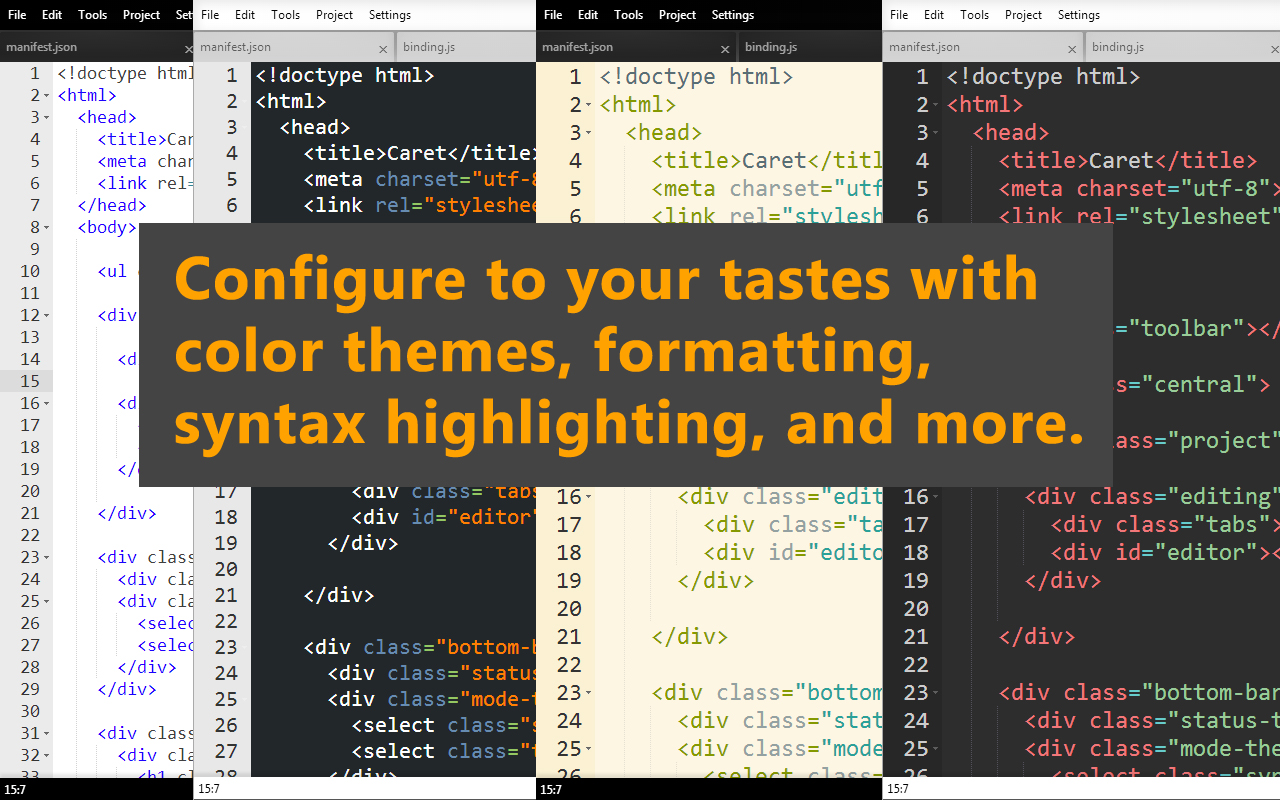
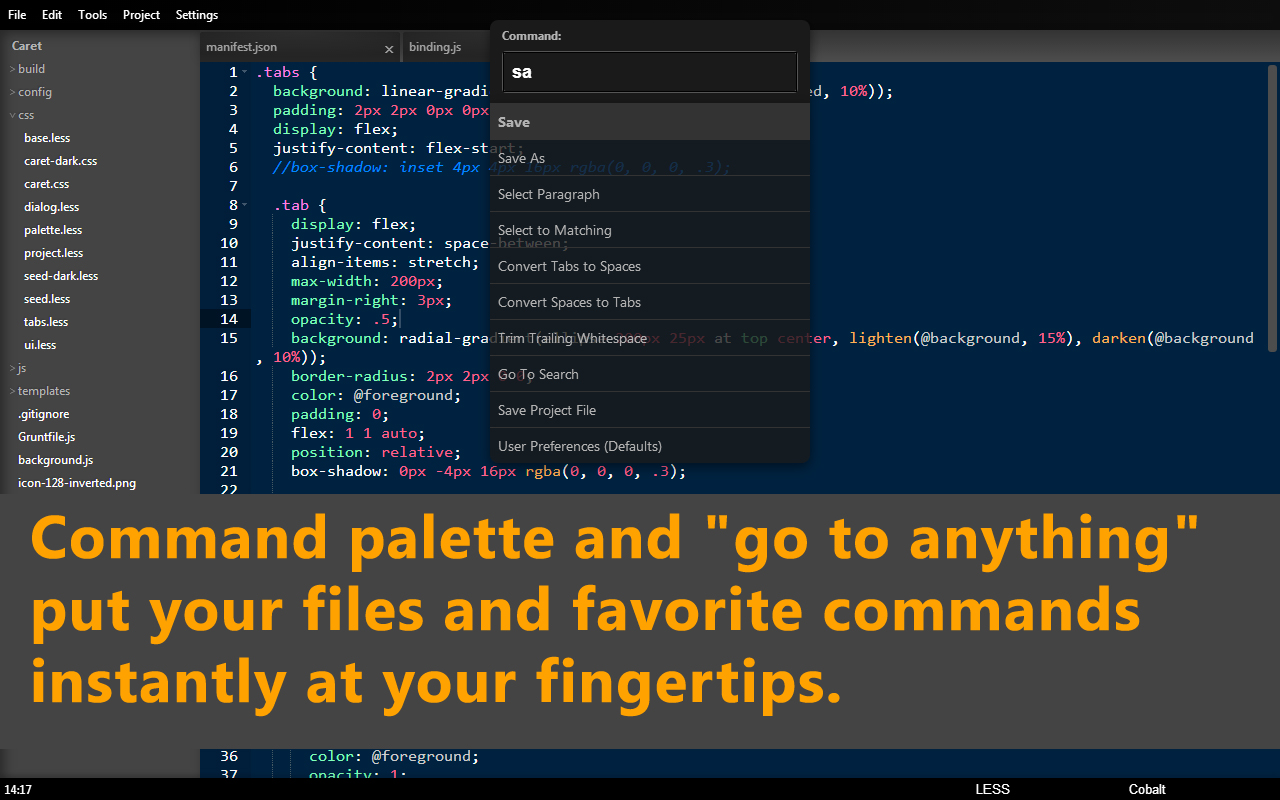
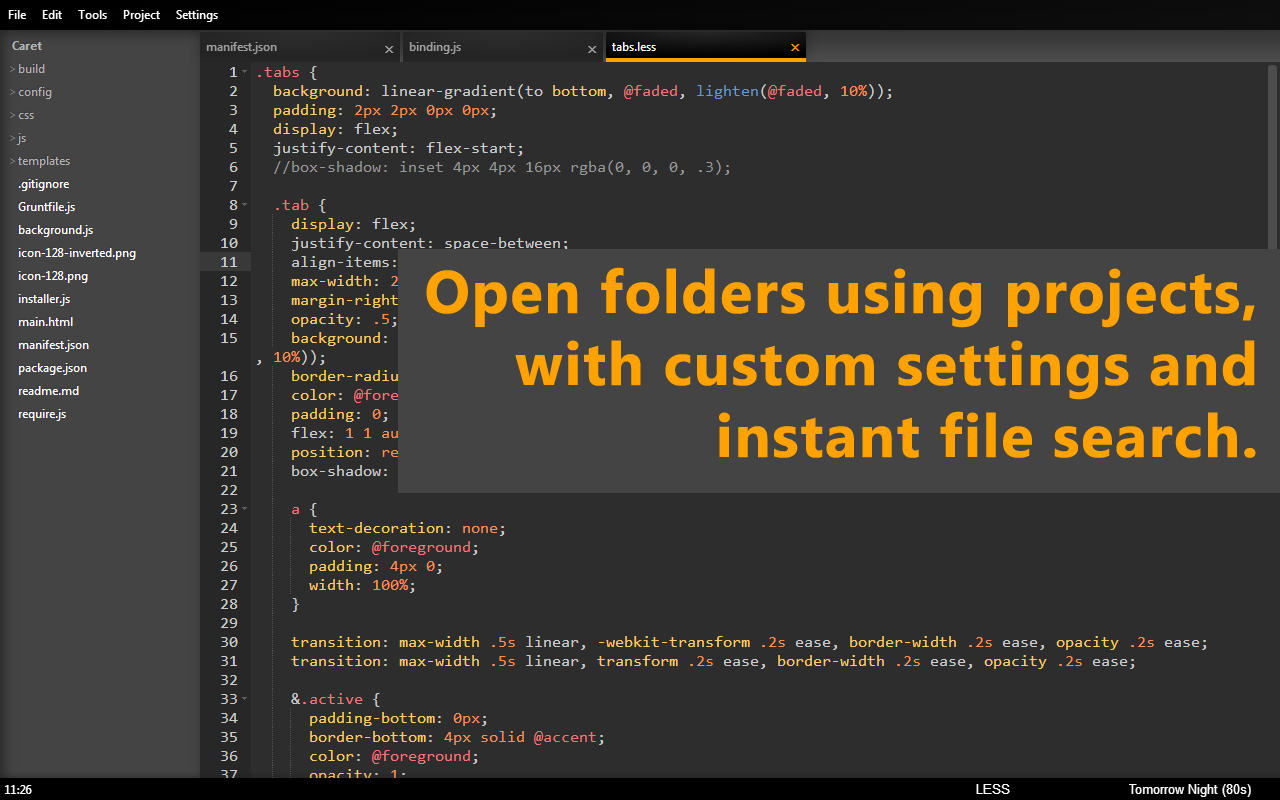
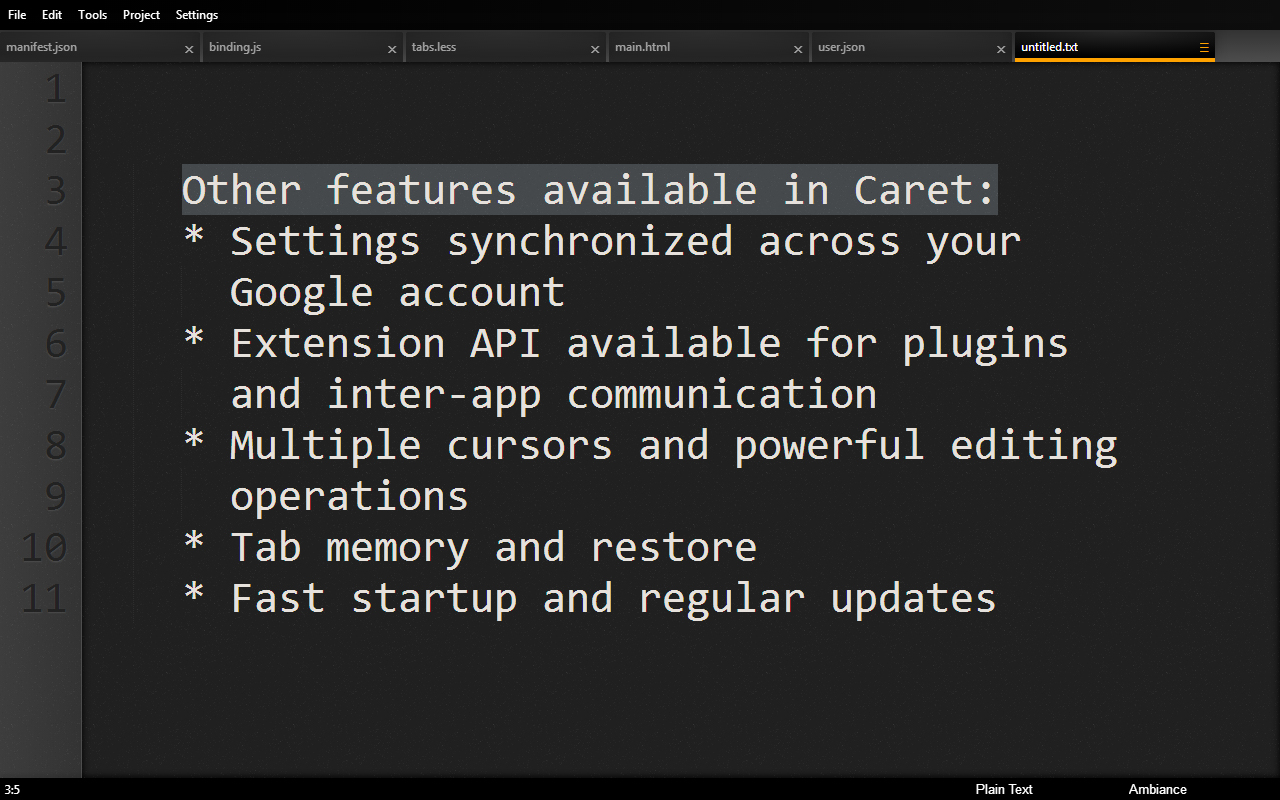
Based on the amazing Ace editing component, Caret brings professional-strength text editing to Chrome OS. With Caret, you no longer need to install a second OS to get what other platforms take for granted: a serious editor for local files, aimed at working programmers.
Comprehensive Guide to MIFARE Classic Card Recovery Tools A is a software or hardware utility designed to retrieve encryption keys and data from MIFARE Classic RFID tags. These tools are essential for developers, security researchers, and hobbyists who need to analyze, back up, or clone contactless smart cards used in access control and transit systems. Primary Recovery Tools & Software
If successful, the app displays all sector data. You can save this dump file to clone it to a new card later. Method B: The Nested Attack (Using Proxmark3)
Some newer "MIFARE Classic compatible" cards implement countermeasures against card-only attacks using static encrypted nonces. Researchers at Quarkslab developed the first attack capable of cracking FM11RF08S sector keys in minutes when keys are reused across at least three sectors or three cards. mifare classic card recovery tool
Recovery relies on breaking the cryptographic primitives, specifically the RNG and the parity bits.
If you use a Proxmark3, the Iceman firmware and client script repository is mandatory. It automates complex recovery processes into simple commands like hf mf autopwn , which automatically detects the card type, chooses the best attack vector, cracks the keys, and saves a data dump to your computer. Step-by-Step MIFARE Classic Recovery Process Comprehensive Guide to MIFARE Classic Card Recovery Tools
hf mf autopwn * 1 f mfc_default_keys
The Flipper Zero, a multi‑tool device for pentesters and hardware hackers, has received substantial improvements for MIFARE Classic key recovery. Recent firmware updates (as of August 2024) include: You can save this dump file to clone it to a new card later
Each sector's final block, known as the Sector Trailer, stores two authentication keys:
If you're running Chrome, you can install Caret directly from the Chrome Web Store. You don't need to be logged into a Google account, but some features (like synchronized settings) won't work unless you are.
If you're a little paranoid about installing code from a walled garden (and who could blame you?), or you want to run the very latest version, you can also install Caret directly from this website by saving this file and dragging it onto your Extensions page in Chrome. You'll still get automatic updates on the "beta channel" this way. You can also clone the repo and install it as an "unpacked extension" from the Chrome extensions page, but then you'll have to remember to update on your own.
Like all good developer tools, Caret is 100% open-source under the GPLv2. Visit the GitHub repository to view the code, file bugs, or contribute yourself. Any help is welcome and much appreciated! You can also report bugs via the store support page.
The best way to ensure privacy is not to gather your information in the first place. I have no experience (or interest, honestly) in managing user data, so there is no tracking code built into Caret, and it never sends any of your information over the network. In fact, Caret requests no network access permissions from Chrome, so it's incapable of communicating beyond your local machine even if I wanted it to.
Caret does use Chrome APIs for synchronizing your settings between computers and checking for updates. Synchronized storage is linked to your Google account, encrypted according to your Chrome settings, and does not provide any personally-identifiable information when used. None of that information ever gets back to me.
Caret is written by Thomas Wilburn, with a little help from open-source contributors.
Ace is a project of Cloud9 and Mozilla.
Chrome, of course, is a product of Google through the Chromium Project.