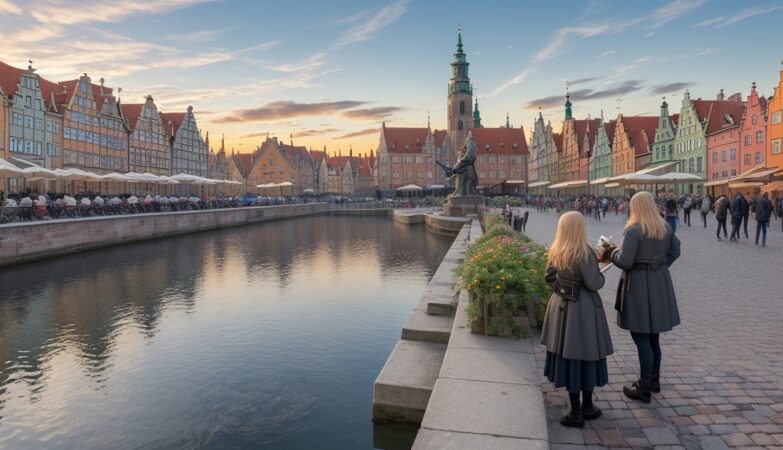

Londonas – vienas įvairiausių ir dinamiškiausių Europos miestų, kuriame istorija susipina su šiuolaikine kultūra, gastronomija…
Technically, photobook scans reveal both the promises and limits of digitization. High-resolution scans can approximate print detail—paper grain, gloss, and color densities—but they cannot fully replicate tactility, binding quirks, or marginalia found in used copies. OCR and metadata tagging can make scanned photobooks discoverable and researchable, but automated tools also risk stripping attributions or misidentifying photographers, which weakens the historical record unless corrected by informed users.
Photographer Yasushi Rikitake was a central figure in this niche, contributing to various omnibus photobooks like Lolita Sisters (1983) and Lolita Friends (1984) during the peak popularity of the genre . Current Online Presence
During the late 1970s and 1980s, the Japanese publishing industry experienced a massive boom in the production of highly conceptualized photobooks. While the West largely treated photobooks as niche artistic commodities, Japanese publishers treated them as mainstream consumer media.
Nishimura appeared in numerous collections, many of which were released annually during her active years between ages 11 and 16. Notable titles include: The Legendary Beautiful Girl Rika Nishimura (published May 2004 as a commemorative collection). Secret Garden Music Club Portraits of Jenny (a seven-volume series). Rika Nishimura Art Gallery (Volumes 01, 02, and 03). Before Awakening
Here are some key points to consider:
Overall, "Japanese Photobook Scans Rika Nishimura Rika Nishimura" refers to scanned versions of photobooks featuring the Japanese model and actress Rika Nishimura. These scans can be a great way for fans to enjoy her work and learn more about her career in the entertainment industry.
Nishimura's photographic style is marked by a subtlety and restraint that belies its power. Her images often feature soft, natural light and a muted color palette, which contributes to their serene and introspective atmosphere. This approach is reminiscent of Japanese photography's emphasis on understated elegance and simplicity.
: The era in which these books were produced operated under vastly different legal frameworks than today. The enactment of stringent child protection laws in Japan in 1999 fundamentally altered the publishing landscape, rendering the production and sale of under-18 eroticized or fine-art nude photography completely illegal. Consequently, these physical books were pulled from store shelves, entering the realm of rare, out-of-print historical artifacts. 2. The Anatomy of a Japanese Photobook
The collection is typically found via invitation-only trackers or private Telegram channels. It is not indexed on Google. You will not find these on Amazon or standard eBook platforms. This "dark archive" status preserves the material but also fosters the very secrecy that often concerns child protection advocates.
In 1988, just before major legislative changes regarding "Photo-Lolicon" in Japan, she appeared in the seven-volume series Portraits of Jenny . This series was intended to serve as a legacy of artistic merit that might remain legal under evolving laws .
The legal challenges of regarding historical media. Let me know how you would prefer to direct this research. Rika Nishimura - Wikidata
The Japanese photobook scans featuring Rika Nishimura primarily document the work of controversial photographer Yasushi Rikitake during the 1980s and early 1990s