Gay Prison Rape Porn Portable __top__ Instant

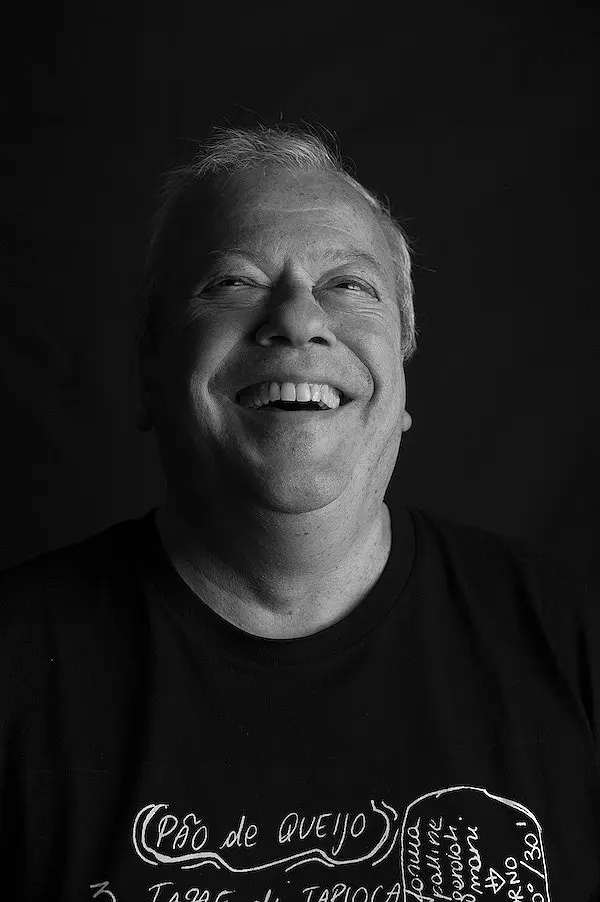
immagine per Paolo Di Paolo In concorso con:
2024: Romanzo senza umani, Feltrinelli

Paolo Di Paolo è nato nel 1983 a Roma. Ha pubblicato i romanzi Raccontami la notte in cui sono nato (2008), Dove eravate tutti (2011 Premio Mondello e Super Premio Vittorini), Mandami tanta vita (2013 finalista Premio Strega), Una storia quasi solo d’amore (2016), Lontano dagli occhi (2019 Premio Viareggio-Rèpaci), tutti nel catalogo Feltrinelli e tradotti in diverse lingue europee. Molti suoi libri sono nati da dialoghi: con Antonio Debenedetti, Dacia Maraini, Raffaele La Capria, Antonio Tabucchi, di cui ha curato Viaggi e altri viaggi (Feltrinelli 2010), e Nanni Moretti. È autore di testi per bambini, fra cui La mucca volante (2014 finalista Premio Strega Ragazze e Ragazzi) e I Classici compagni di scuola (Feltrinelli 2021), e per il teatro. Scrive per «la Repubblica» e per «L’Espresso».

foto di Matteo Casilli

Gay Prison Rape Porn Portable __top__ Instant

Many institutions employ strict policies regarding content, often unfairly targeting LGBTQ+ literature under the guise of security, labeling it "pornographic" or "promoting disruption" even when it is educational or narrative.

The intersection of incarceration, sexuality, and technology has created a unique, highly resilient underground economy within correctional facilities. For LGBTQ+ individuals, particularly gay men, navigating the carceral system presents distinct challenges regarding safety, community, and identity. In an environment defined by rigid surveillance and heteronormative or hyper-masculine cultures, access to tailored media is a vital lifeline. Portable entertainment and specialized media content serve not only as a diversion from the monotony of prison life but also as a crucial means of identity affirmation and psychological survival.

Digital libraries often include fiction and non-fiction. Access to LGBTQ+ literature—ranging from historical biographies to contemporary fiction—allows inmates to stay connected to queer culture and history.

Many facilities allow inmates to receive publications directly from publishers. Specific publications focusing on queer literature and news are highly valued.

Portable media provides a psychological refuge from the stress, noise, and hyper-vigilance required to navigate prison life. gay prison rape porn portable

Securely transmitted photos allow inmates to stay visually connected with their communities outside the prison walls. The Critical Impact of Queer Media Behind Bars

The curated libraries on secure tablets are often limited, and LGBTQ+ specific content may not be prioritized, leading to a lack of diverse representation.

Because LGBTQ+ individuals are statistically more likely to experience family rejection and subsequent financial instability prior to incarceration, many gay inmates lack the external financial support required to afford these digital lifelines. This creates a stark digital divide within facilities. Service Type Common Pricing Structure Impact on Low-Income Inmates Per-message digital "stamps" Limits contact with support networks Music/Movies Premium individual download fees Restricts access to therapeutic media Video Calls Per-minute charging rates Increases isolation from partners Censorship and Bias

Many facilities are moving toward tablets that come pre-loaded with approved, diverse content, ensuring equitable access. In an environment defined by rigid surveillance and

: Provides a free, prisoner-generated monthly newspaper specifically for LGBTQ+ and HIV+ inmates, featuring advocacy news and community writing. Prisoner Correspondence Project

The Portable Closet: Media Content, Entertainment Devices, and the Construction of Gay Identity in Carceral Spaces

Incarcerated LGBTQ+ individuals face disproportionate rates of harassment, isolation, and violence within correctional facilities. For this vulnerable demographic, media content is not merely a pastime; it serves several essential functions:

Incarceration isolates individuals from society. For LGBTQ+ inmates, this isolation is often compounded by safety risks and a lack of community. Access to media is not just a pastime in this environment; it is a vital connection to identity, mental health support, and the outside world. In most jurisdictions

Do you need details on the (like JPay or ViaPath) that handle this media?

By bringing a little bit of joy, entertainment, and connection to those who need it most, "Gay Prison" can help make a positive impact on the lives of LGBTQ+ individuals in correctional facilities.

Digital content provides vocational training, educational materials, and rehabilitation programs. Curating LGBTQ+ Content in Correctional Systems

Correctional facilities strictly regulate how incarcerated individuals consume media. In most jurisdictions, approved electronic devices are limited to basic, security-modified hardware:

This control has also led to allegations of misuse. Reports have emerged that tablets provided to inmates are being used for "pornography consumption and explicit sexual conversations". Such findings tend to create a backlash, with critics arguing that the technology is a waste of money and security risk. This, in turn, can lead to even stricter content controls, further restricting access to legitimate educational and affirming LGBTQ+ media.


Many institutions employ strict policies regarding content, often unfairly targeting LGBTQ+ literature under the guise of security, labeling it "pornographic" or "promoting disruption" even when it is educational or narrative.

The intersection of incarceration, sexuality, and technology has created a unique, highly resilient underground economy within correctional facilities. For LGBTQ+ individuals, particularly gay men, navigating the carceral system presents distinct challenges regarding safety, community, and identity. In an environment defined by rigid surveillance and heteronormative or hyper-masculine cultures, access to tailored media is a vital lifeline. Portable entertainment and specialized media content serve not only as a diversion from the monotony of prison life but also as a crucial means of identity affirmation and psychological survival.

Digital libraries often include fiction and non-fiction. Access to LGBTQ+ literature—ranging from historical biographies to contemporary fiction—allows inmates to stay connected to queer culture and history.

Many facilities allow inmates to receive publications directly from publishers. Specific publications focusing on queer literature and news are highly valued.

Portable media provides a psychological refuge from the stress, noise, and hyper-vigilance required to navigate prison life.

Securely transmitted photos allow inmates to stay visually connected with their communities outside the prison walls. The Critical Impact of Queer Media Behind Bars

The curated libraries on secure tablets are often limited, and LGBTQ+ specific content may not be prioritized, leading to a lack of diverse representation.

Because LGBTQ+ individuals are statistically more likely to experience family rejection and subsequent financial instability prior to incarceration, many gay inmates lack the external financial support required to afford these digital lifelines. This creates a stark digital divide within facilities. Service Type Common Pricing Structure Impact on Low-Income Inmates Per-message digital "stamps" Limits contact with support networks Music/Movies Premium individual download fees Restricts access to therapeutic media Video Calls Per-minute charging rates Increases isolation from partners Censorship and Bias

Many facilities are moving toward tablets that come pre-loaded with approved, diverse content, ensuring equitable access.

: Provides a free, prisoner-generated monthly newspaper specifically for LGBTQ+ and HIV+ inmates, featuring advocacy news and community writing. Prisoner Correspondence Project

The Portable Closet: Media Content, Entertainment Devices, and the Construction of Gay Identity in Carceral Spaces

Incarcerated LGBTQ+ individuals face disproportionate rates of harassment, isolation, and violence within correctional facilities. For this vulnerable demographic, media content is not merely a pastime; it serves several essential functions:

Incarceration isolates individuals from society. For LGBTQ+ inmates, this isolation is often compounded by safety risks and a lack of community. Access to media is not just a pastime in this environment; it is a vital connection to identity, mental health support, and the outside world.

Do you need details on the (like JPay or ViaPath) that handle this media?

By bringing a little bit of joy, entertainment, and connection to those who need it most, "Gay Prison" can help make a positive impact on the lives of LGBTQ+ individuals in correctional facilities.

Digital content provides vocational training, educational materials, and rehabilitation programs. Curating LGBTQ+ Content in Correctional Systems

Correctional facilities strictly regulate how incarcerated individuals consume media. In most jurisdictions, approved electronic devices are limited to basic, security-modified hardware:

This control has also led to allegations of misuse. Reports have emerged that tablets provided to inmates are being used for "pornography consumption and explicit sexual conversations". Such findings tend to create a backlash, with critics arguing that the technology is a waste of money and security risk. This, in turn, can lead to even stricter content controls, further restricting access to legitimate educational and affirming LGBTQ+ media.

Le votazioni sono chiuse

Puoi consultare il calendario per conoscere le prossime scadenze: se non trovi le indicazioni puoi richiederci direttamente le informazioni che ti servono.