
Eteima Thu Naba Part 10 Facebook Nabagi Wari Best Jun 2026
Characters texting, dealing with phone issues, or dating online.
Are you interested in learning about mainstream who transitioned to books? Share public link
Part 10 usually ends on a cliffhanger, such as a character discovering a secret or an unexpected visitor arriving at the home, prompting the "To be continued" tag common in Facebook waris (stories). Key Story Examples eteima thu naba part 10 facebook nabagi wari best
Plot structures are designed with cliffhangers to prompt immediate engagement, likes, and shares in the comment section. Key Themes In Manipuri Web Fiction Common Elements Narrative Purpose Domestic Drama
These stories are primarily hosted on specific Manipuri storytelling pages. You can find various parts and versions by searching for: Manipuri Story Collection on Facebook Lust of True Facebook Page Specific Google Drive archives for offline reading. Characters texting, dealing with phone issues, or dating
The digital landscape of Manipur has undergone a massive transformation over the past decade. Among the various forms of entertainment that have migrated online, social media-based fiction—locally referred to as "wari"—has carved out a massive, highly engaged niche. A simple search for keywords like reveals a thriving subculture of serialized internet literature on platforms like Facebook.
If you want, I can create: 3 sample post captions, a 30s video script, or 4 quote-card designs for Part 10. Which would you like? Key Story Examples Plot structures are designed with
Complex family hierarchies, relationships with sister-in-laws ( eteima ). Drives character tension and relational conflicts.
Readers are encouraged to participate by commenting or predicting what happens next to unlock the next chapter.
If you are interested in exploring Meitei literature further, let me know if you would like to look into , recognized historical fiction , or traditional folklore (Kanglei myths) . Share public link
A traditional Meitei kinship term generally used to address an elder sister-in-law or a slightly older, respected woman within a family or neighborhood context. In contemporary pulp fiction, this character archetype is frequently cast as the central protagonist.
 Qadın Günəş eynəkləri
  Uşaq Günəş eynəkləri
  Kişi Günəş eynəkləri
  Brend Qadın Günəş eynəkləri
  Brend Kişi günəş eynəkləri
  Kişi optik eynəyi
  Qadın optik eynəyi
  Uşaq optik eynəyi
  yeniyetmə optik eynək
  Böyük
Böyük  Uşaq
Uşaq  Şəffaf linza
  Rəngli linza
  Rəngli optik linza
  Linza suyu
  Linza qabı
  Aksesuarlar
  asağı qiymətə
  toric (Astiqmat) linza
  multifocal linzalar
  GUNLUK KULLAN-AT LENSLER
  Zəifləməni dayandiran/kontrol edən susələr
 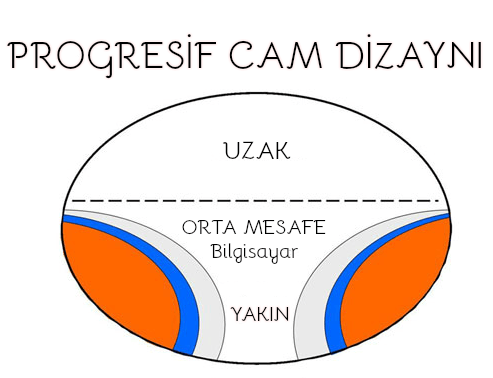 PROGRESIF (uzag orta yaxin) suseler
 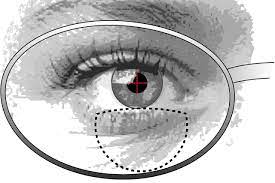 BIFOKAL süsələr (uzag yaxin)
  BRENDƏ GÖRƏ SEC (organik)