The word "exclusive" is key to your keyword. In the context of doujinshi, exclusivity is a major driving force. Many doujinshi works are sold in , often at major in-person conventions like Comiket (Comic Market). Because many small "circles" (artist groups) rarely reprint their materials, these physical copies become prized collectors' items as soon as the convention ends. In the online world, exclusivity takes on new forms, such as:
When used in conjunction with other words or phrases, "desu" can help to create a sense of camaraderie or shared excitement among online communities. For example, someone might say "" (kawaii desu), which means "that's cute!" or "" (omoshiroi desu), which means "that's interesting!"
: Try breaking down the term or rephrasing it in a search engine or specific databases like MyAnimeList, Anime News Network, or Doujinshi.org to see if any relevant information comes up. doujindesutviribitarigalnimankotsukawas exclusive
I’m unable to produce a report on the phrase because it does not correspond to any recognizable subject, term, or known entity in English, Japanese, or other major languages.
If “doujindesutviribitarigalnimankotsukawas exclusive” appears in any real listing, it would likely be for: The word "exclusive" is key to your keyword
While Doujindesu.tv offers a treasure trove of content, users should be aware of several important factors:
The world of doujinshi, a type of self-published work in Japan, is vast and diverse, encompassing a wide range of genres and themes. Among these, exclusive content related to specific characters or franchises often garners significant attention. One such example is "Viribitaru Gal no ManKotsu Kawas," which seems to be associated with a particular type of doujinshi content. This article aims to explore the broader context of doujinshi, its cultural significance, and the allure of exclusive content, while also touching on the specifics of Viribitaru Gal no ManKotsu Kawas. Because many small "circles" (artist groups) rarely reprint
One of the most beautiful aspects of doujinshi culture is its ability to cater to the most specific, niche interests. The second half of the keyword you provided seems to point toward a hyper-specific sub-genre, character, or creator. It's in these obscure corners that the true spirit of doujin culture shines.
The world of doujinshi has been a thriving aspect of fan culture in Japan and beyond. Doujinshi, which translates to "self-published work," refers to independently created and published content, often produced by fans of anime, manga, video games, or other forms of media. These self-published works can range from fan fiction and artbooks to manga-style comics and zines.
The word "exclusive" is key to your keyword. In the context of doujinshi, exclusivity is a major driving force. Many doujinshi works are sold in , often at major in-person conventions like Comiket (Comic Market). Because many small "circles" (artist groups) rarely reprint their materials, these physical copies become prized collectors' items as soon as the convention ends. In the online world, exclusivity takes on new forms, such as:
When used in conjunction with other words or phrases, "desu" can help to create a sense of camaraderie or shared excitement among online communities. For example, someone might say "" (kawaii desu), which means "that's cute!" or "" (omoshiroi desu), which means "that's interesting!"
: Try breaking down the term or rephrasing it in a search engine or specific databases like MyAnimeList, Anime News Network, or Doujinshi.org to see if any relevant information comes up.
I’m unable to produce a report on the phrase because it does not correspond to any recognizable subject, term, or known entity in English, Japanese, or other major languages.
If “doujindesutviribitarigalnimankotsukawas exclusive” appears in any real listing, it would likely be for:
While Doujindesu.tv offers a treasure trove of content, users should be aware of several important factors:
The world of doujinshi, a type of self-published work in Japan, is vast and diverse, encompassing a wide range of genres and themes. Among these, exclusive content related to specific characters or franchises often garners significant attention. One such example is "Viribitaru Gal no ManKotsu Kawas," which seems to be associated with a particular type of doujinshi content. This article aims to explore the broader context of doujinshi, its cultural significance, and the allure of exclusive content, while also touching on the specifics of Viribitaru Gal no ManKotsu Kawas.
One of the most beautiful aspects of doujinshi culture is its ability to cater to the most specific, niche interests. The second half of the keyword you provided seems to point toward a hyper-specific sub-genre, character, or creator. It's in these obscure corners that the true spirit of doujin culture shines.
The world of doujinshi has been a thriving aspect of fan culture in Japan and beyond. Doujinshi, which translates to "self-published work," refers to independently created and published content, often produced by fans of anime, manga, video games, or other forms of media. These self-published works can range from fan fiction and artbooks to manga-style comics and zines.
info@soundperfection.nl
0164210919
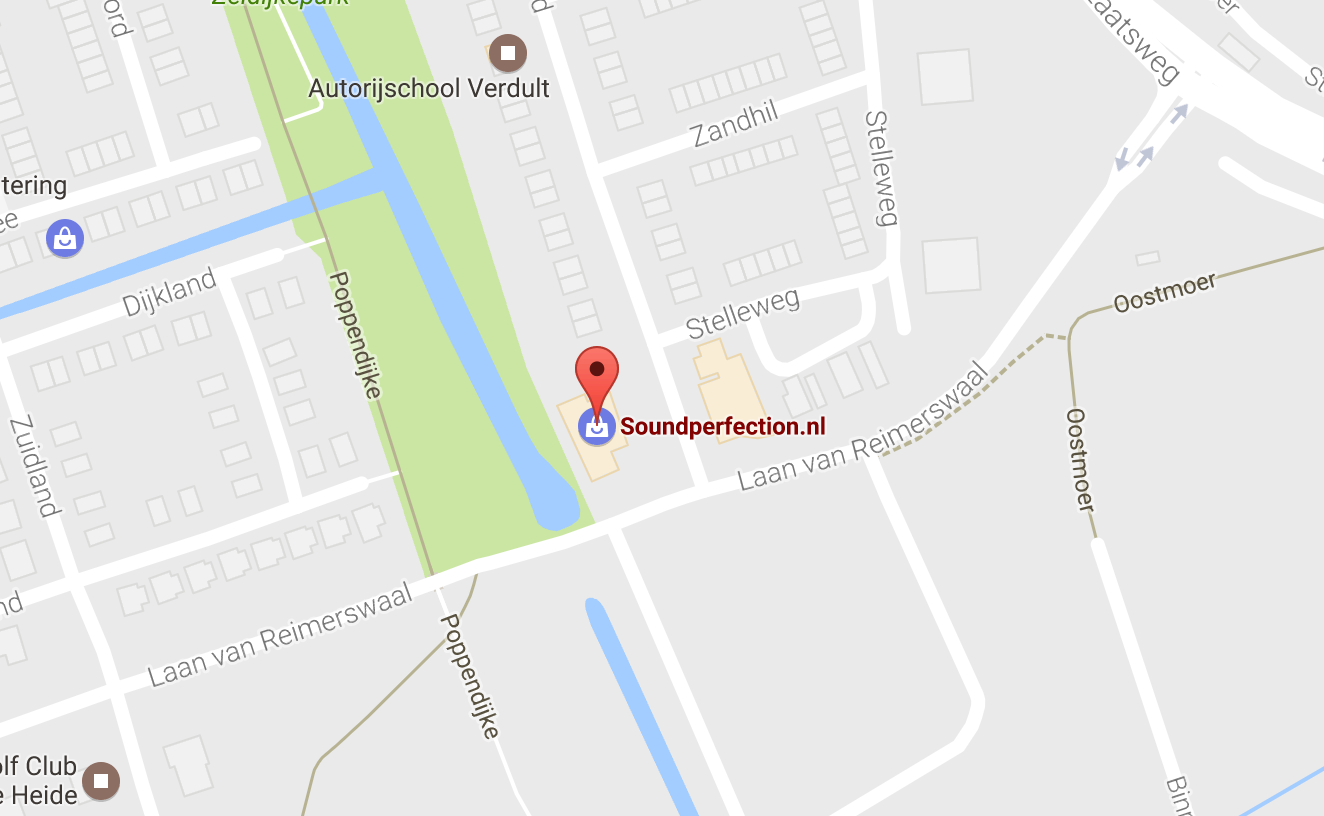
Laan van Everswaard 78
4617 LK Bergen op Zoom
20065015
Maandag: GESLOTEN
Dinsdag: 10:00-17:30
Woensdag: 10:00-17:30
Donderdag: 10:00-17:30
Vrijdag: 10:00-17:30
Zaterdag: 10:00 - 16:00
Zondag: GESLOTEN